
Spring Tree Care Guide for Homeowners


Spring marks a significant transition period for trees as they emerge from winter dormancy and begin a new cycle of growth. As temperatures warm and daylight increases, trees start producing new leaves, shoots, and roots that will support them throughout the growing season. Because so much of a tree’s yearly development begins during this time, proper care in early spring can significantly impact its long-term health and stability. For homeowners, taking the time to inspect and maintain trees now can help prevent problems later in the year.
Checking Trees for Winter Damage
One of the most important steps in spring tree care is inspecting trees for winter damage. Harsh winter weather, including freezing temperatures, snow accumulation, and strong winds, can leave behind broken limbs, cracks in trunks, or weakened branches. Early spring provides a clear view of the tree’s structure before new leaves fully develop, making it easier to identify potential hazards. Removing dead or damaged branches early helps prevent decay and reduces the risk of falling limbs during storms.

Identifying Problems Around the Tree Base
While inspecting your trees, it’s also important to examine the base and root area. Signs such as fungal growth, peeling bark, or soil disturbances near the trunk can indicate deeper issues affecting the tree’s stability or health. These problems can worsen if left untreated, especially as the tree begins its rapid spring growth. In cases where large limbs are damaged or structural issues appear present, professional tree care services may be necessary to safely address the problem.
The Importance of Proper Mulching
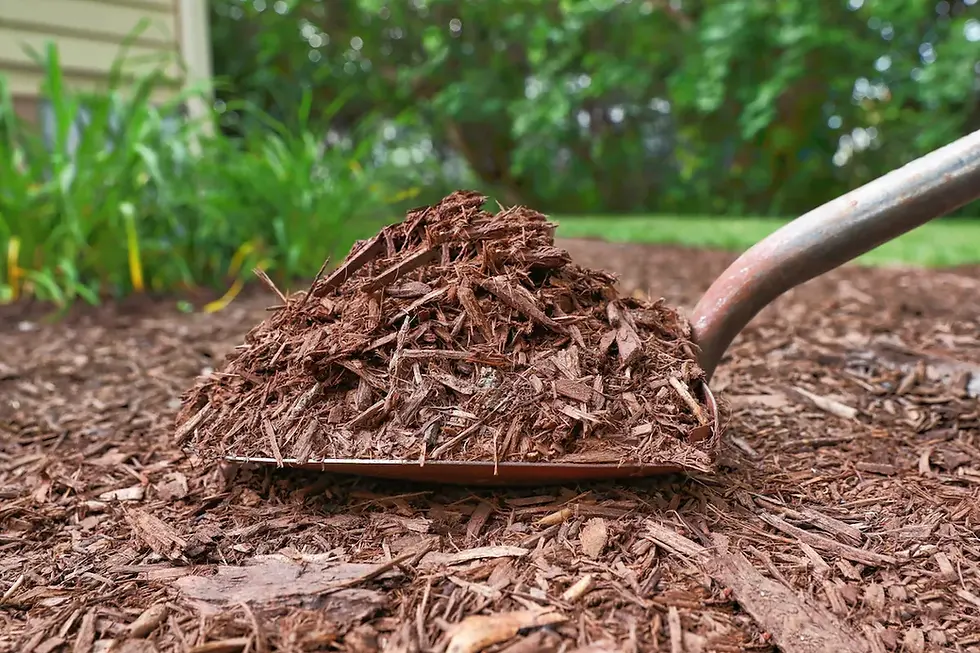
Adding mulch around the base of trees is another simple but highly effective spring maintenance practice. A proper mulch layer helps retain moisture in the soil, regulate soil temperature, and reduce weed competition. Ideally, homeowners should apply about two to four inches of organic mulch around the tree in a circular pattern. However, mulch should never be piled directly against the trunk, a common mistake often called a “mulch volcano,” which can trap moisture against the bark and lead to rot or pest problems.

Creating a Healthy Root Environment
Keeping mulch a few inches away from the trunk and extending it outward toward the tree’s drip line creates a healthier environment for the root system. Clearing weeds, grass, and debris from around the base of the tree is also beneficial because competing plants can absorb water and nutrients the tree needs. Maintaining a clean and well-mulched root zone helps trees establish strong roots as they enter the growing season.

Watering and Monitoring Tree Health in Spring

Trees require proper watering and monitoring as temperatures begin to rise. Spring growth increases a tree’s demand for water, and while seasonal rains may provide some moisture, it is still important to ensure trees receive deep watering when needed. Slow, deep watering encourages roots to grow deeper into the soil, helping trees withstand summer heat and drought conditions. Homeowners should also keep an eye out for early signs of pests or disease, such as leaf discoloration, insect activity, or unusual spots. Addressing these issues early helps protect the long-term health and beauty of your landscape.
If your trees show signs of damage, disease, or simply need professional care this spring, don’t wait until small problems turn into costly hazards. Proper pruning, inspections, and maintenance can make a major difference in the long-term health and safety of your trees. If you need any of the services mentioned above, contact Canopy Keepers Tree Care LLC today. Our team is dedicated to providing reliable, high-quality tree care to help keep your property safe, beautiful, and thriving all season long. Call The Canopy Keepers Tree Care LLC to schedule your tree inspection or service.



Comments